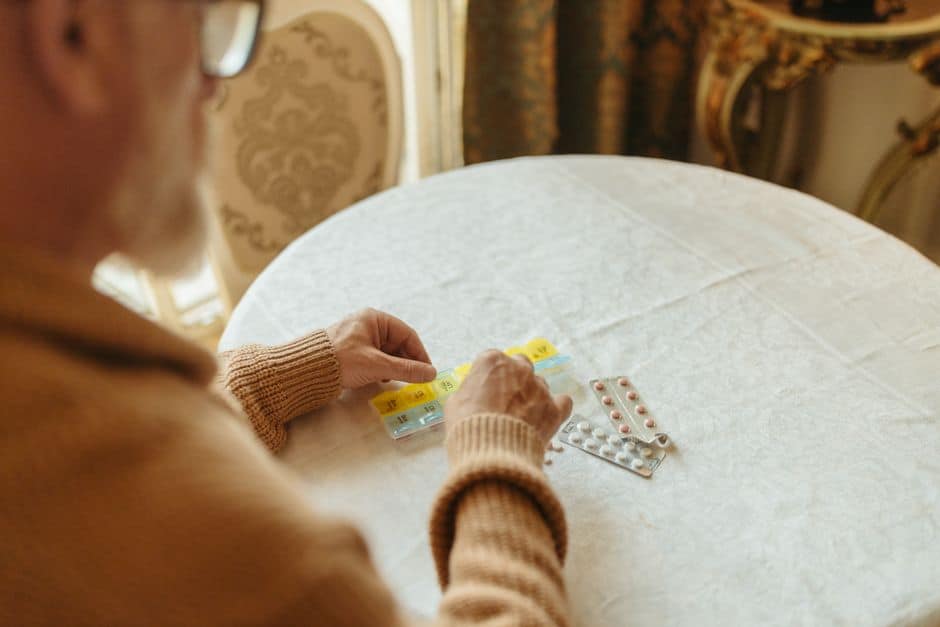
Why a “medication-safe” home matters (and why it’s trending)
In healthcare, medication safety is often discussed in hospitals and clinics—but many medication errors happen at home. With more people managing long-term conditions, juggling multiple prescriptions, and using over-the-counter remedies and supplements, the home has become an important “last mile” of care.
A single mix-up—taking the wrong tablet, doubling up after a missed dose, mixing medicines that shouldn’t be combined, or leaving medications within reach of tamariki—can lead to side effects, poor control of a condition, or an emergency visit. The good news: you can make your home much safer with a simple system.
This step-by-step guide is designed for whānau across Waikato and beyond, whether you take one medicine or ten. It focuses on practical actions you can do today, plus real-world examples that make the steps easier to follow.
Step 1: Do a “medicine census” (10 minutes)
Start by collecting every medication and health product in your home and placing them in one spot:
- Prescriptions (tablets, inhalers, eye drops, creams)
- Over-the-counter products (pain relief, cold/flu, antihistamines, antacids)
- Supplements and herbal products (vitamins, fish oil, magnesium, rongoā products)
- “Just in case” antibiotics, leftover post-surgery pain meds, travel meds
Check drawers, handbags, bedside tables, car glove boxes, kitchen cupboards, and bathroom cabinets.
Real-world example: A common “double dose” scenario is finding two nearly identical paracetamol products—one in the kitchen and one in a handbag. People take both without realising they contain the same active ingredient.
Step 2: Create three zones: “Take,” “Store,” and “Dispose”
Sort everything into three groups:
- Take: medicines you actively use and are in-date.
- Store: medicines that are in-date but used occasionally (e.g., migraine meds, epinephrine auto-injector, travel meds).
- Dispose: expired, discontinued, duplicated, or mystery medications with missing labels.
Action tip: If you’re unsure whether you still need a medicine, keep it in the “Store” zone temporarily and confirm with your pharmacist or prescriber.
Step 3: Dispose safely (don’t flush or bin loosely)
Medication disposal is not just about tidiness; it reduces accidental poisoning and prevents misuse. As a rule of thumb, avoid flushing medicines and avoid throwing loose tablets into household rubbish.
What to do instead:
- Return unwanted or expired medicines to a pharmacy for safe disposal (many pharmacies support take-back options).
- Remove personal details from labels before returning (or ask the pharmacy to help).
Real-world example: Old sedatives or strong pain medicines kept “just in case” can be risky if a visitor, teenager, or child finds them. Clearing them out is a high-impact safety move.
Step 4: Pick ONE “medication home base” (and make it boring)
Choose a consistent, low-risk storage location for your “Take” zone. The best place is:
- Cool and dry
- Out of direct sunlight
- Out of reach and sight of children
- Not the bathroom (humidity can affect some medicines)
A high shelf in a hallway cupboard often works well. Avoid storing medicines next to cooking heat (above the stove) or in a car where temperatures can swing.
Action tip: If you have small children, consider a lockable container or cabinet. “Child-resistant” caps are helpful but not child-proof.
Step 5: Build a simple “medication map” (a one-page list)
Create a one-page medication list and keep it with your medicines (and another copy in your phone). Include:
- Medicine name (brand and generic if possible)
- Dose and timing (e.g., “20 mg at night”)
- Why you take it (e.g., blood pressure, asthma)
- Prescriber and pharmacy details
- Allergies and past reactions
Why this matters: In an urgent situation, a clear list can speed up safe care. It also reduces the chance of accidentally restarting a medicine you were told to stop.
Real-world example: If two clinicians prescribe similar medicines (for example, two products for reflux), your list makes duplication easier to spot at the next appointment.
Step 6: Choose a dosing system you’ll actually use
There’s no single perfect system; the best one is the one you will stick with. Options include:
- Weekly pill organiser: good for stable routines and multiple daily tablets.
- Blister packs (pharmacy-packed): useful for complex regimens, memory issues, or when multiple caregivers are involved.
- Original packaging system: best for medicines sensitive to air/moisture, or for people with only 1–2 medicines.
Action tip: If you use a pill organiser, set a weekly refill time (e.g., Sunday evening). Refill in a quiet place with good lighting, and cross-check with your medication map.
Step 7: Add “smart friction” to prevent double-dosing
Most home medication errors aren’t about not caring—they’re about being busy. Add small barriers that catch mistakes:
- Use a tick-box checklist for morning/night doses on the fridge or inside a cupboard door.
- Set two alarms: one to take the medicine, another 15 minutes later asking “Did you take it?”
- Keep a small notepad: write down “Taken” with the time for as-needed medicines (pain relief, antihistamines).
Data point: In everyday practice, missed or duplicated doses often happen during routine changes—travel, shift work, school holidays, or when someone else in the household is unwell. Planning for those weeks reduces errors dramatically.
Step 8: Check high-risk combinations (especially OTC + prescriptions)
Over-the-counter products feel “safe,” but they can interact with prescription medicines or duplicate ingredients. Before adding a new OTC medicine or supplement, check:
- Whether it duplicates an ingredient (e.g., paracetamol in multiple cold/flu products)
- Whether it affects bleeding risk (some supplements and pain relief products can)
- Whether it causes sedation (especially if you drive or operate machinery)
- Whether it changes blood pressure, blood sugar, or asthma control
If you want a quick, plain-language overview of common drug interactions and side effects, a resource like WebMD’s medication information library can be a helpful starting point—alongside advice from your pharmacist or clinician.
Action tip: Bring your “medicine census” list to your pharmacy and ask: “Are there any duplicates or interactions I should know about?” This is a practical question pharmacists answer every day.
Step 9: Set up an “as-needed” rulebook (so you don’t guess)
Medicines taken “as needed” (pain relief, nausea meds, sleep aids, laxatives, inhalers) are common sources of confusion. Write clear rules for each:
- When to take it: symptoms and triggers
- How much: dose and maximum per day
- How long: number of days before you seek advice
- Red flags: symptoms that mean “stop and call”
Real-world example: If someone has back pain and takes an anti-inflammatory plus a cold/flu product, they may unintentionally stack ingredients that irritate the stomach. A written rulebook helps prevent “symptom-stacking” decisions made when tired or sore.
Step 10: Do a monthly 5-minute safety reset
Medication safety isn’t a one-time tidy-up. Schedule a monthly reset (set a calendar reminder) and do these quick checks:
- Remove any expired medicines
- Confirm your next refill dates (avoid running out on a long weekend)
- Review any new prescriptions after appointments
- Check storage conditions (heat, moisture, child access)
- Update your one-page medication map
Action tip: Link the reset to something you already do monthly—paying bills, changing smoke alarm batteries, or a regular supermarket trip—so it becomes automatic.
Common “medication-safe home” pitfalls to avoid
Keeping “mystery pills”
If a tablet is out of its packaging and you can’t identify it confidently, treat it as a disposal item. Guessing is not worth the risk.
Storing medicines in multiple rooms
Multiple storage spots increases duplication and missed doses. Keep one home base, with a small exception only if clinically necessary (e.g., an inhaler in a school bag).
Sharing prescriptions
Even if symptoms seem similar, prescriptions are tailored to an individual’s health history, other medications, and allergies.
Conclusion: Small systems make a big difference
A “medication-safe” home isn’t about perfection—it’s about building a simple, repeatable system that helps you take the right medicine, in the right way, at the right time, and store it safely. If you work through the steps above, you’ll reduce stress, cut down on missed or duplicated doses, and make it easier for pharmacists and clinicians to support you.
If you’d like to go further, consider bringing your medication map to your next appointment and asking for a quick medication review. It’s one of the most practical, high-value conversations you can have about your health.